Carrito de compra
Su pedido cuenta con 0 productos
Envío gratis a partir de $389.00 (Consulta T&C)
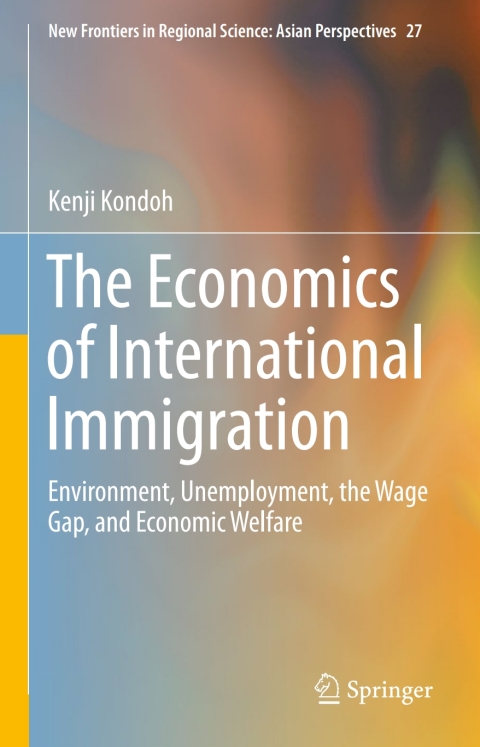
| ISBN: | 9789811000928 |
|---|---|
| Formato: | Page Fidelity |
| Idioma: | Inglés |
| Editorial: | Springer Nature |
| Tema: | Negocios y economía |
| Subtema: | Urbana y Regional |
| Año de publicación: | 2016-09-29 |
This is the first book that takes a theoretical approach to the effects of international immigration by considering the current economic topics confronted by more highly developed countries such as Japan. Developed here is the classic trade model by Heckscher–Ohlin–Samuelson, McDougall basic model of the international movement factor, the urban–rural migration model by Harris–Todaro, and Copeland–Taylor well-known model in the field of environmental economics by introducing new trends such as economic integration including free trade and factor mobility between countries at different stages of development. Coexistence of two types of immigrants – legal, skilled workers and illegal, unskilled workers – without any explicit signs of discrimination, transboundary pollution caused by neighboring lower-developed countries with poor pollution abatement technology, difficult international treatment of transboundary renewable resources, the rapid process of aging and population decrease, the higher unemployment rate of younger generations, and the serious gap between permanent and temporary employed workers—are also considered in this book as new and significant topics under the context of international immigration. Taking into account the special difficulties of those serious problems in Asia, each chapter illustrates Japanese and other Asian situations that encourage readers to understand the importance of optimal immigration policies. Also shown is the possibility that economic integration and liberalization of international immigration should bring about positive effects on the economic welfare of the developed host country including the aspects of natural environment, renewable transboundary resources, the rate of unemployment, and the wage gap between workers.












 Este sitio web utiliza cookies para mejorar la experiencia del usuario y asegurar su funcionamiento con eficacia.
Al utilizarlo usted acepta el uso de cookies.
Este sitio web utiliza cookies para mejorar la experiencia del usuario y asegurar su funcionamiento con eficacia.
Al utilizarlo usted acepta el uso de cookies.