Carrito de compra
Su pedido cuenta con 0 productos
Envío gratis a partir de $389.00 (Consulta T&C)
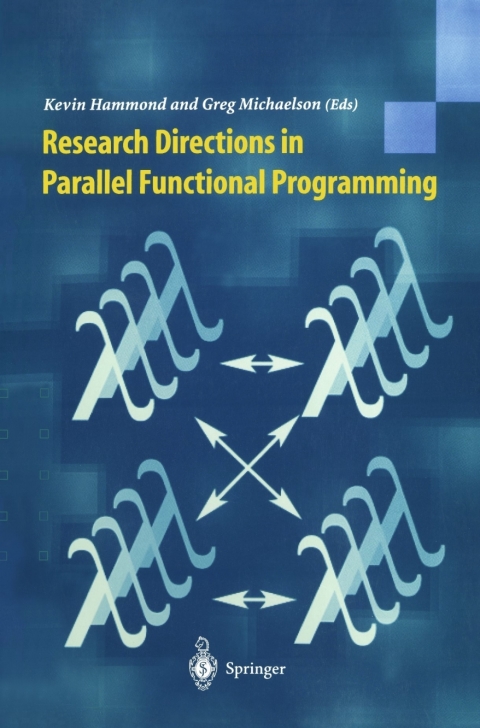
| ISBN: | 9781447108412 |
|---|---|
| Formato: | Page Fidelity |
| Idioma: | Inglés |
| Editorial: | Springer Nature |
| Tema: | Computadoras |
| Subtema: | Programación general |
| Año de publicación: | 2012-12-06 |
Programming is hard. Building a large program is like constructing a steam locomotive through a hole the size of a postage stamp. An artefact that is the fruit of hundreds of person-years is only ever seen by anyone through a lOO-line window. In some ways it is astonishing that such large systems work at all. But parallel programming is much, much harder. There are so many more things to go wrong. Debugging is a nightmare. A bug that shows up on one run may never happen when you are looking for it - but unfailingly returns as soon as your attention moves elsewhere. A large fraction of the programs code can be made up of marshalling and coordination algorithms. The core application can easily be obscured by a maze of plumbing. Functional programming is a radical, elegant, high-level attack on the programming problem. Radical, because it dramatically eschews side-effects; elegant, because of its close connection with mathematics; high-level, be cause you can say a lot in one line. But functional programming is definitely not (yet) mainstream. Thats the trouble with radical approaches: its hard for them to break through and become mainstream. But that doesnt make functional programming any less fun, and it has turned out to be a won derful laboratory for rich type systems, automatic garbage collection, object models, and other stuff that has made the jump into the mainstream.









 Este sitio web utiliza cookies para mejorar la experiencia del usuario y asegurar su funcionamiento con eficacia.
Al utilizarlo usted acepta el uso de cookies.
Este sitio web utiliza cookies para mejorar la experiencia del usuario y asegurar su funcionamiento con eficacia.
Al utilizarlo usted acepta el uso de cookies.