Carrito de compra
Su pedido cuenta con 0 productos
Envío gratis a partir de $389.00 (Consulta T&C)
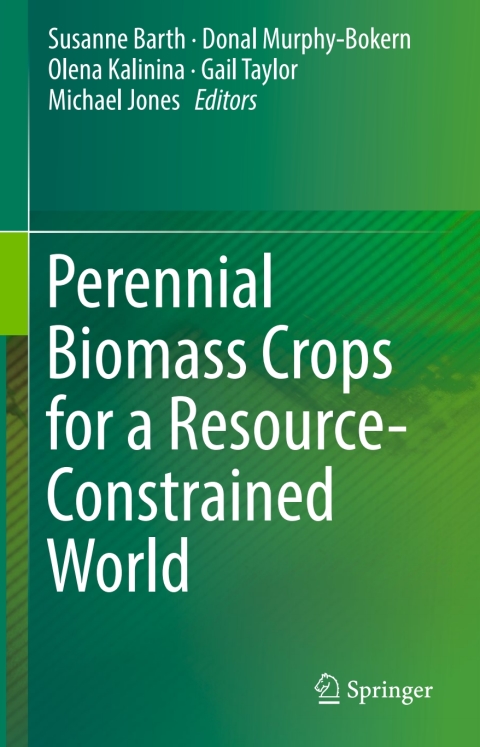
| ISBN: | 9783319445304 |
|---|---|
| Formato: | Page Fidelity |
| Idioma: | Inglés |
| Editorial: | Springer Nature |
| Tema: | Tecnología e ingeniería |
| Subtema: | Agricultura general |
| Año de publicación: | 2016-11-18 |
This book presents a flavour of activities focussed on the need for sustainably produced biomass to support European strategic objectives for the developing bioeconomy. The chapters cover five broad topic areas relating to the use of perennial biomass crops in Europe. These are: ‘Bioenergy Resources from Perennial Crops in Europe’, ‘European Regional Examples for the Use of Perennial Crops for Bioenergy’, ‘Genotypic Selection of Perennial Biomass Crops for Crop Improvement’, ‘Ecophysiology of Perennial Biomass Crops’ and ‘Examples of End-Use of Perennial Biomass Crops’. Two major issues relating to the future use of biomass energy are the identification of the most suitable second generation biomass crops and the need to utilise land not under intensive agricultural production, broadly referred to as ‘marginal land’. The two main categories of plants that fit these needs are perennial rhizomatous grasses and trees that can be coppiced. The overarching questions that are addressed in the book relate to the suitability of perennial crops for providing feedstocks for a European bioeconomy and the need to exploit environments for biomass crops which do not compete with food crops. Bioenergy is the subject of a wide range of national and European policy measures. New developments covered are, for example, the use of perennial grasses to produce protein for animal feed and concepts to use perennial biomass crops to mitigate carbon emissions through soil carbon sequestration. Several chapters also show how prudent selection of suitable genotypes and breeding are essential to develop high yielding and sustainable second generation biomass crops which are adapted to a wide range of unfavourable conditions like chilling and freezing, drought, flooding and salinity. The final chapters also emphasise the need to be kept an eye out for potential new end-uses of perennial biomass crops that will contribute further to the developing bioeconomy.








 Este sitio web utiliza cookies para mejorar la experiencia del usuario y asegurar su funcionamiento con eficacia.
Al utilizarlo usted acepta el uso de cookies.
Este sitio web utiliza cookies para mejorar la experiencia del usuario y asegurar su funcionamiento con eficacia.
Al utilizarlo usted acepta el uso de cookies.