Carrito de compra
Su pedido cuenta con 0 productos
Envío gratis a partir de $389.00 (Consulta T&C)
| ISBN: | 9783030248611 |
|---|---|
| Formato: | ePub |
| Idioma: | Inglés |
| Editorial: | Springer Nature |
| Tema: | Tecnología e ingeniería |
| Subtema: | Ciencia de los Materiales general |
| Año de publicación: | 2019-08-09 |
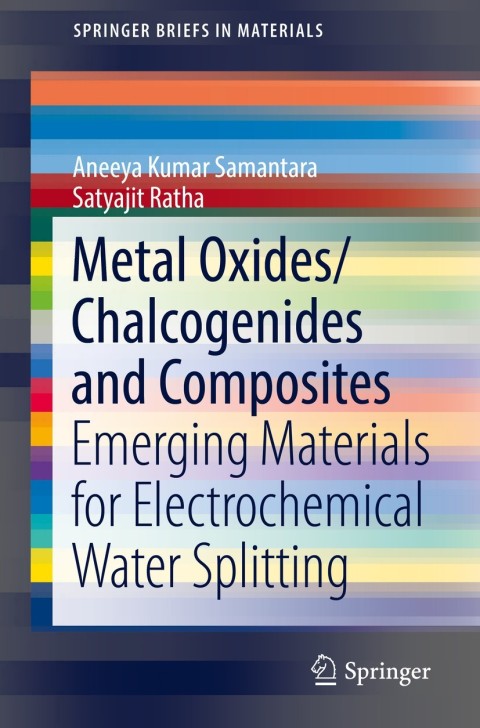
This book covers the recent development of metal oxides, hydroxides and their carbon composites for electrochemical oxidation of water in the production of hydrogen and oxygen as fuels. It includes a detailed discussion on synthesis methodologies for the metal oxides/hydroxides, structural/morphological characterizations, and the key parameters (Tafel plot, Turnover frequency, Faradic efficiency, overpotential, long cycle life etc.) needed to evaluate the electrocatalytic activity of the materials. Additionally, the mechanism behind the electro oxidation process is presented. Readers will find a comprehensive source on the close correlation between metal oxides, hydroxides, composites, and their properties and importance in the generation of hydrogen and oxygen from water. The depletion of fossil fuels from the earth crust, and related environmental issues such as climate change, demand that we search for alternative energy resources to achieve some formof sustainable future. In this regard, much scientific research has been devoted to technologies such as solar cells, wind turbines, fuel cells etc. Among them fuel cells attract much attention because of their versatility and efficiency. In fuel cells, different fuels such as hydrogen, CO2, alcohols, acids, methane, oxygen/air, etc. are used as the fuel, and catalysts are employed to produce a chemical reaction for generating electricity. Hence, it is very important to produce these fuels in an efficient, eco-friendly, and cost effective manner. The electrochemical splitting of water is an environmentally friendly process to produce hydrogen (the greener fuel used in fuel cells), but the efficiencies of these hydrogen evolution reactions (cathodic half reaction) are strongly dependent on the anodic half reaction (oxygen evolution reaction), i.e., the better the anodic half, the better will be the cathodic reaction. Further, this oxygen evolution reaction depends on the types of activeelectrocatalysts used. Though many more synthetic approaches have been explored and different electrocatalysts developed, oxide and hydroxide-based nanomaterials and composites (with graphene, carbon nanotubes etc.) show better performance. This may be due to the availability of more catalytic surface area and electro active centers to carry out the catalysis process.











 Este sitio web utiliza cookies para mejorar la experiencia del usuario y asegurar su funcionamiento con eficacia.
Al utilizarlo usted acepta el uso de cookies.
Este sitio web utiliza cookies para mejorar la experiencia del usuario y asegurar su funcionamiento con eficacia.
Al utilizarlo usted acepta el uso de cookies.