Carrito de compra
Su pedido cuenta con 0 productos
Envío gratis a partir de $389.00 (Consulta T&C)
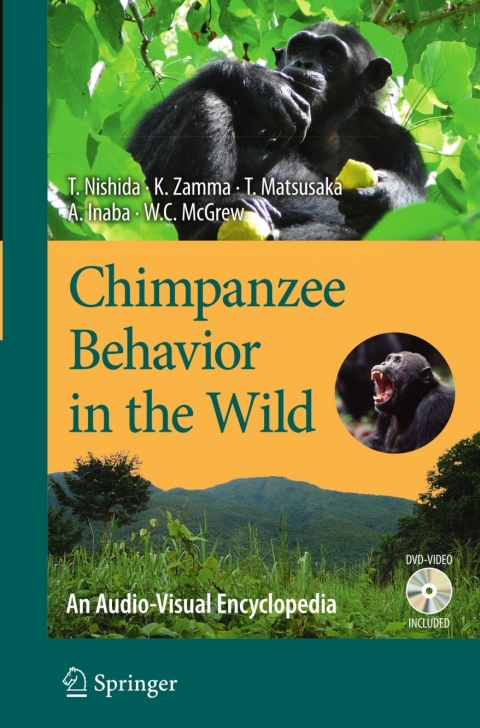
| ISBN: | 9784431538950 |
|---|---|
| Formato: | Page Fidelity |
| Idioma: | Inglés |
| Editorial: | Springer Nature |
| Tema: | Ciencia |
| Subtema: | Ciencias de la Vida zoología |
| Año de publicación: | 2010-09-15 |
Where We Stand Field workers—scientists of animal (including human!) behavior in nature—have long been fascinated by wild chimpanzees. A person who once has studied wild chimpanzees will be eager to observe them again. A person who has studied them twice will make every effort to continue the study, unless prevented from doing so. In short, behavioral primatology is addictive! Many people, among them Jane Goodall, Richard Wrangham, and I, do not regret that they have dedicated their whole lives to the study of wild chimpanzees. This is because the apes’ behavior is always challenging: chimpanzees are cheerful, charming, playful, curious, beautiful, easygoing, generous, tolerant, and trustw- thy most of the time, but also are cautious, cunning, ugly, violent, ferocious, blo- thirsty, greedy, and disloyal at other times. We human beings share both the light and dark sides with our closest living relatives. For decades, we have documented huge across-population variation in behavior, as well as within-population variation. Cultural biology (now called cultural pri- tology), as proposed 60 years ago by Kinji Imanishi, recently has flourished.











 Este sitio web utiliza cookies para mejorar la experiencia del usuario y asegurar su funcionamiento con eficacia.
Al utilizarlo usted acepta el uso de cookies.
Este sitio web utiliza cookies para mejorar la experiencia del usuario y asegurar su funcionamiento con eficacia.
Al utilizarlo usted acepta el uso de cookies.